The breakdown
What it cost, and what it returned
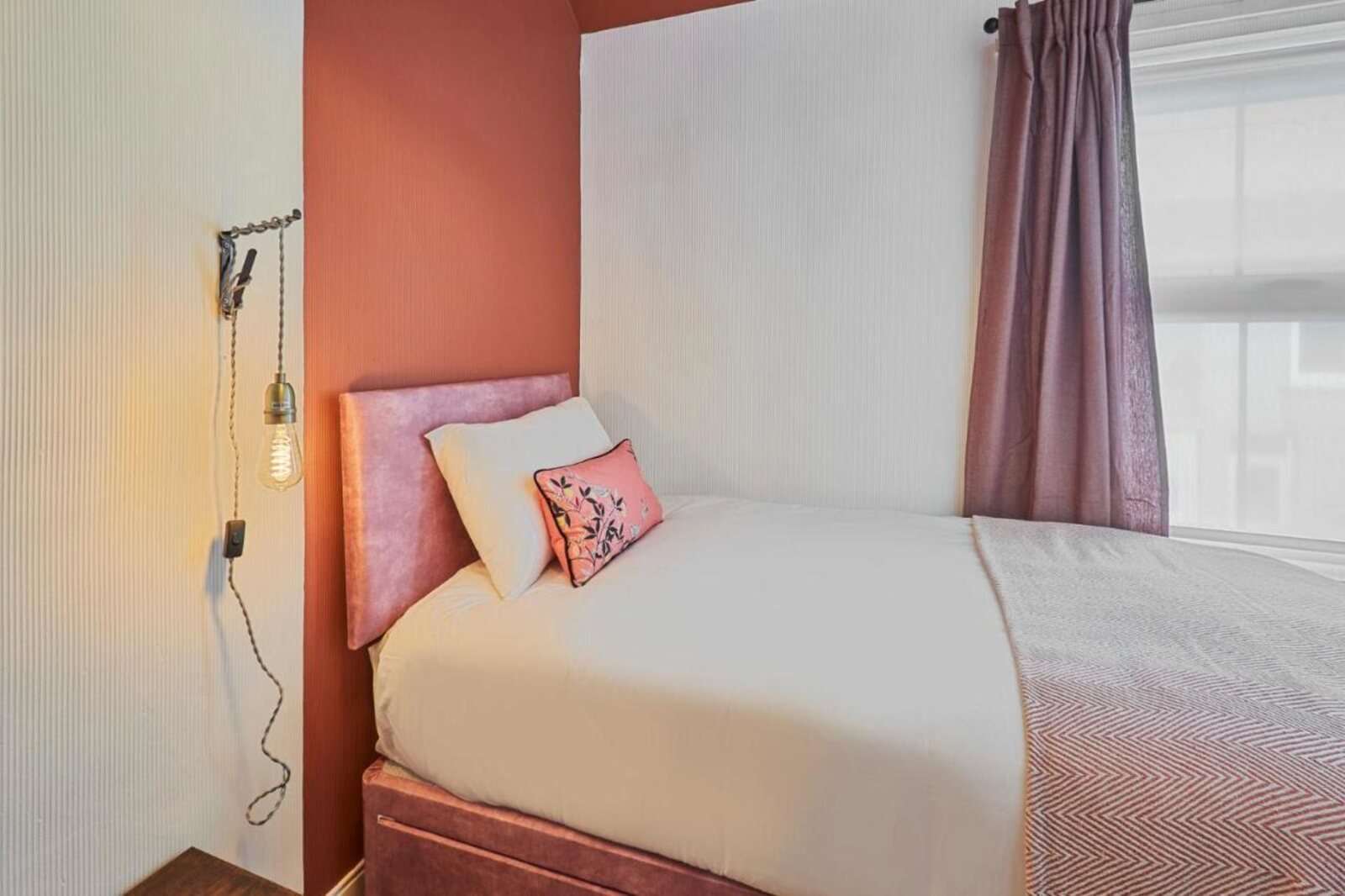
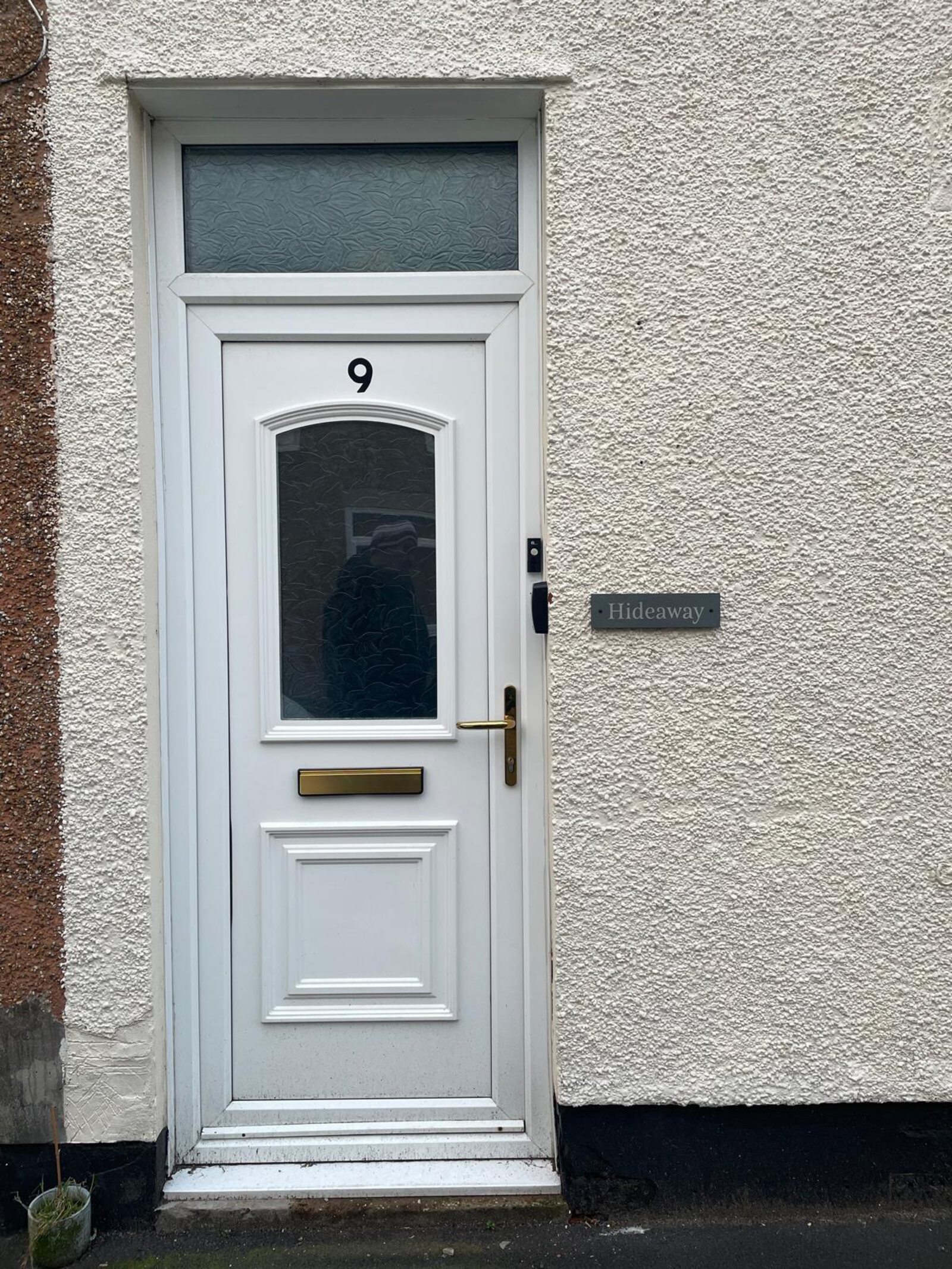
A terraced house in Northumberland, bought in poor condition and run as a holiday let for two and a half years before I sold it. These are the actual figures.
£130,000
Purchase price
£20,000
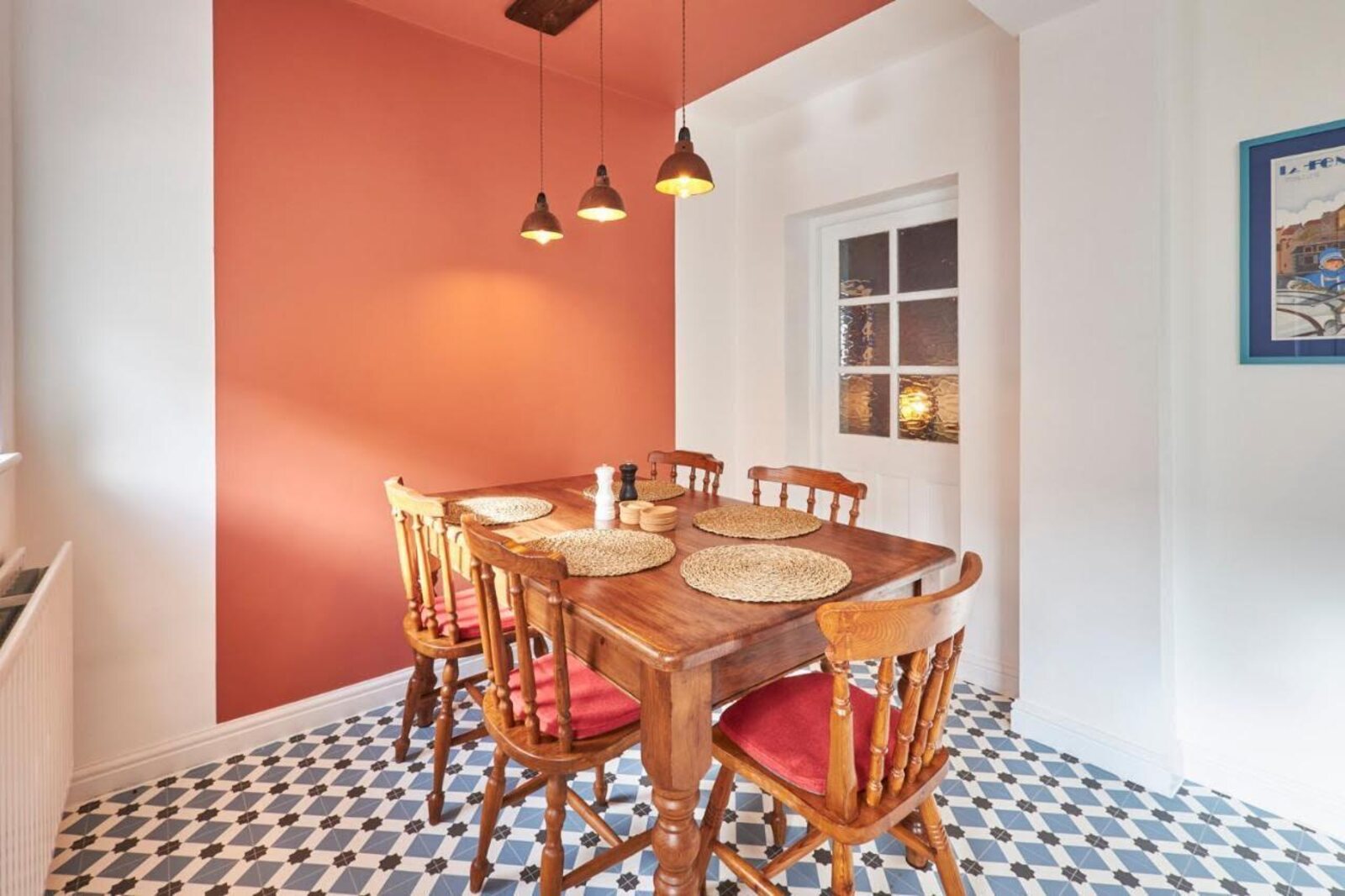
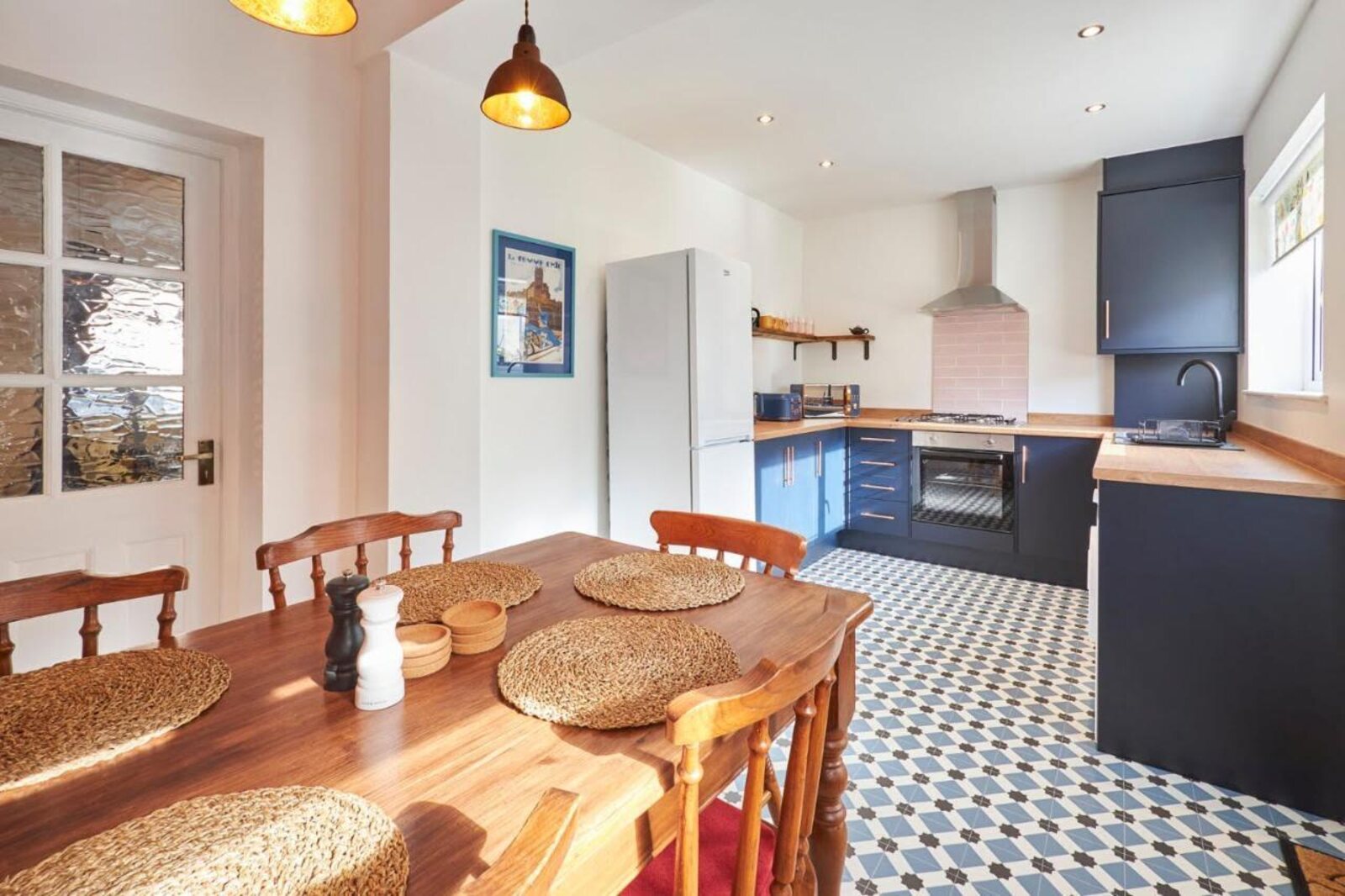
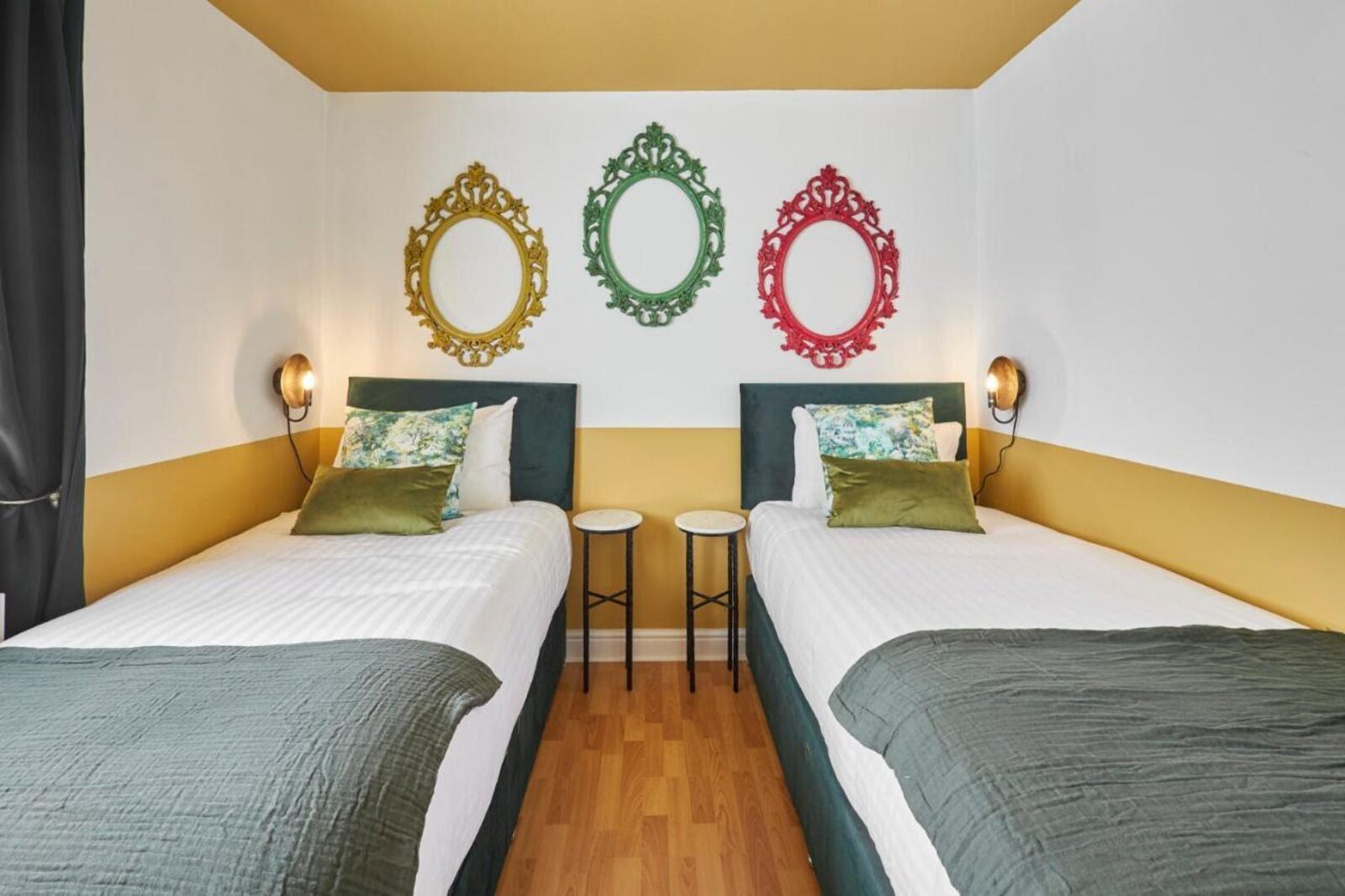
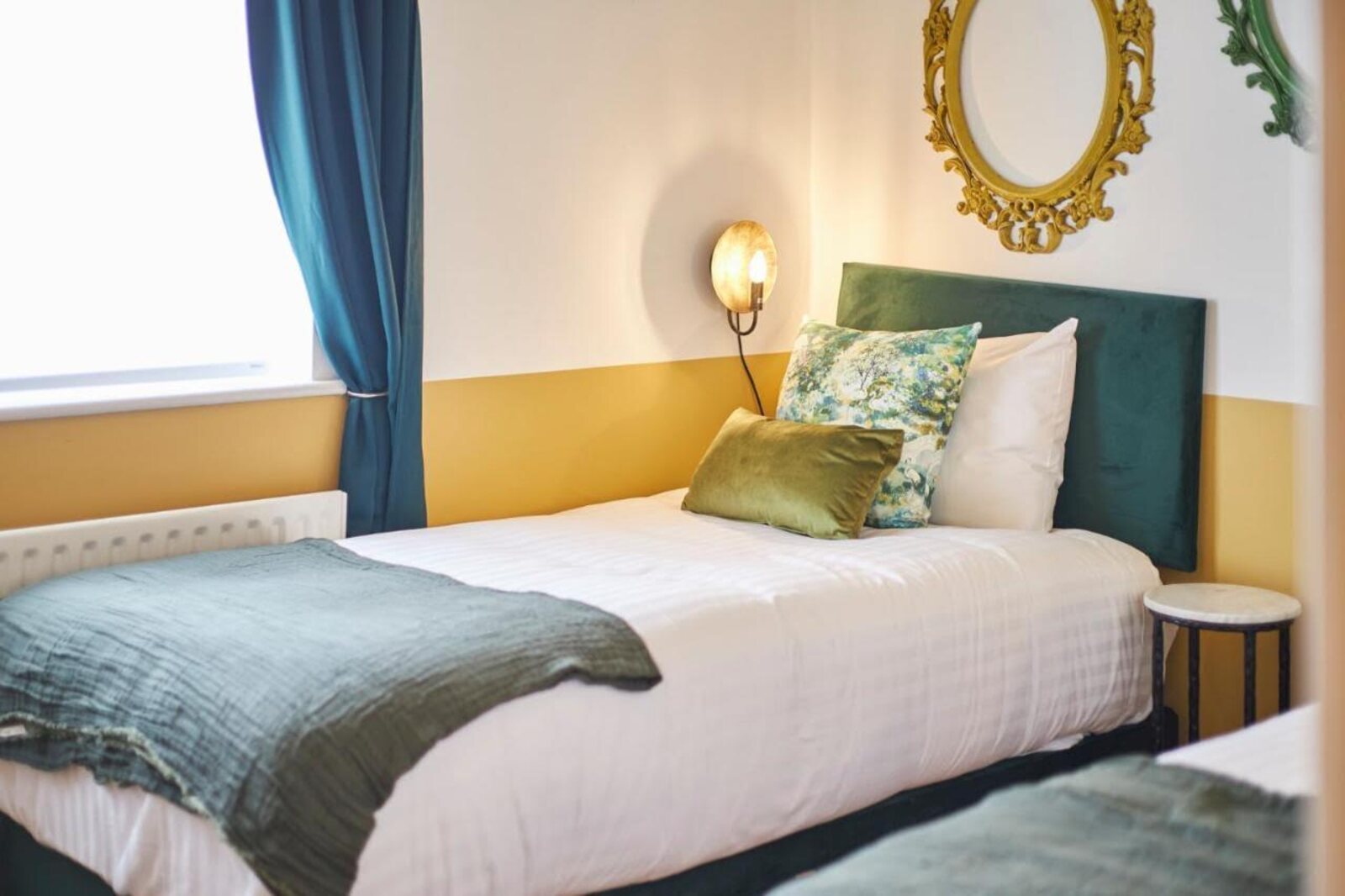
Refurbishment and furniture
£150,000
In, before buying costs
£153,000
Sold for
2.5 years
Held and trading
£2,500–4,000
Booking revenue a month
The asking price was £145,000. I paid £130,000. Without that £15,000 this would have been a loss rather than a flat sale.
The capital came back roughly as it went in. Hideaway made its money every month it was open, not on the day it sold.
Once stamp duty, legal fees and selling costs come off, the gap between £150,000 in and £153,000 out is close to nothing. If I had bought this to flip it, it would have been a poor deal. I did not. I bought it to run, and for two and a half years it paid.
How it traded
£2,500–4,000
Revenue a month
£1,358
Fixed costs a month
Nil
Council tax
Fixed costs are cleaning at £600, the mortgage at £564, utilities at £112, water at £42, internet at £25 and the TV licence at £15.45. Platform fees come out of the booking revenue on top of those. That leaves roughly £1,140 to £2,640 a month before platform fees, so somewhere between £34,000 and £78,000 across the two and a half years depending on how the seasons fell.
It paid no council tax. As a holiday let it moved onto business rates, and small business relief took it to nothing. That is a difference between the two that most people looking at this market have never been told about.
So why sell something that was working?
Because it was in our personal names, and because the capital was stuck. Two and a half years of good income, and the money that bought it was still sitting in the bricks. Hideaway and Cosy Nook were my last two assets held personally, and both are going for the same reason: everything from here is bought through the company and refinanced, so the capital comes back out and buys the next one. Durham Muse is what that looks like when it works.
Living room
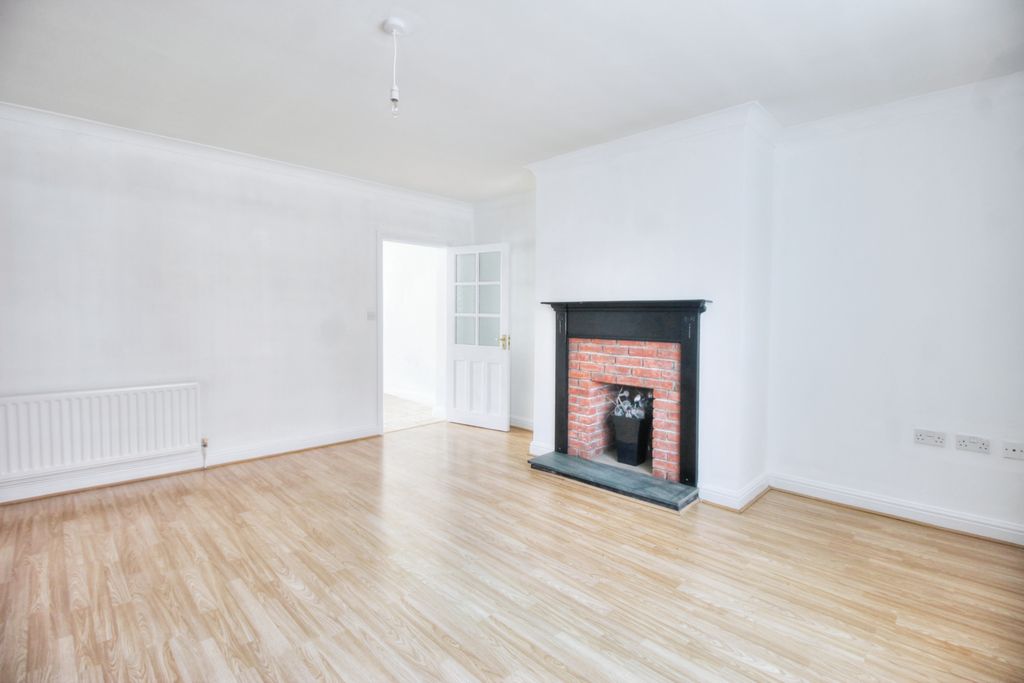
Before
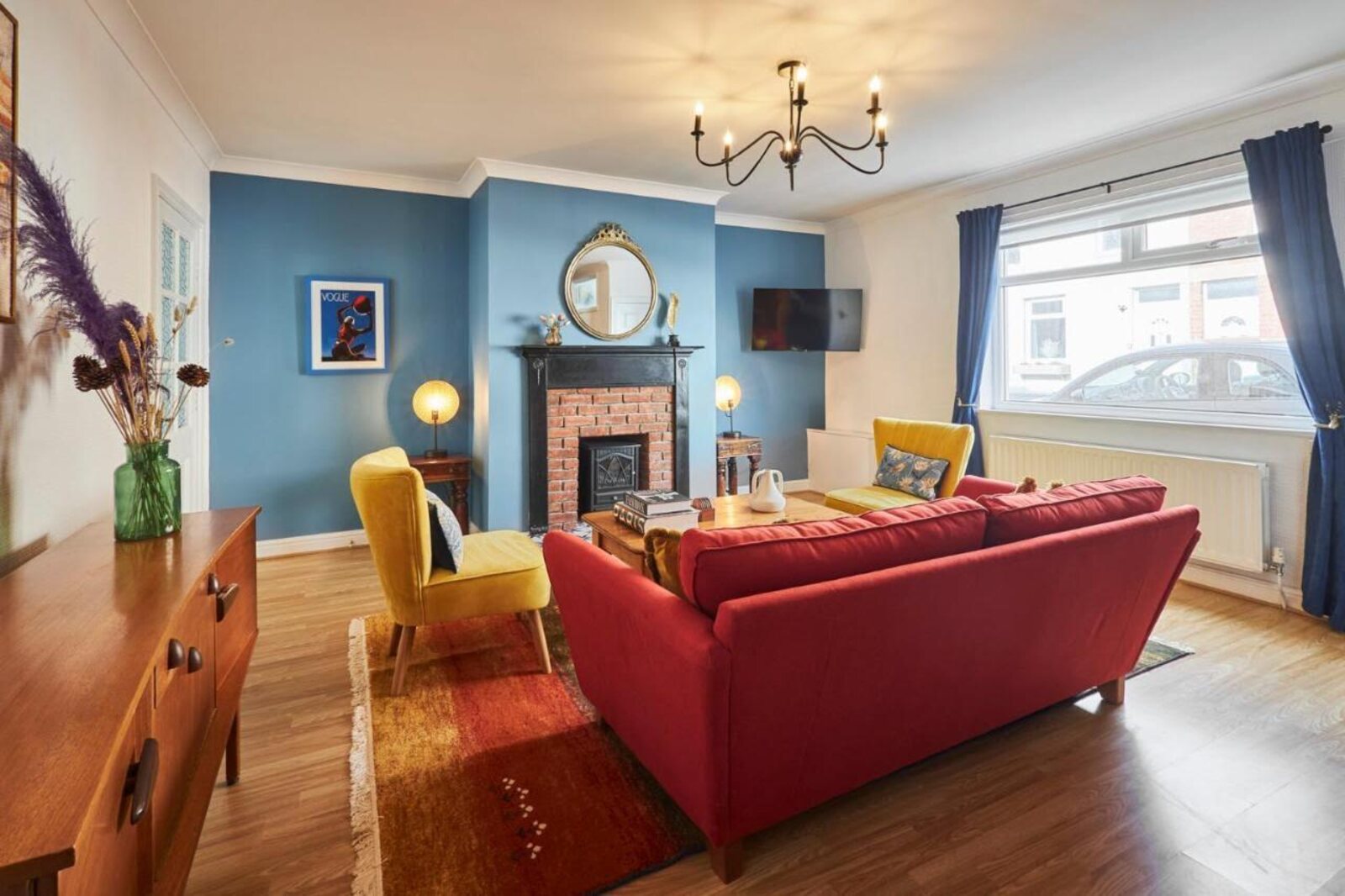
After
Kitchen
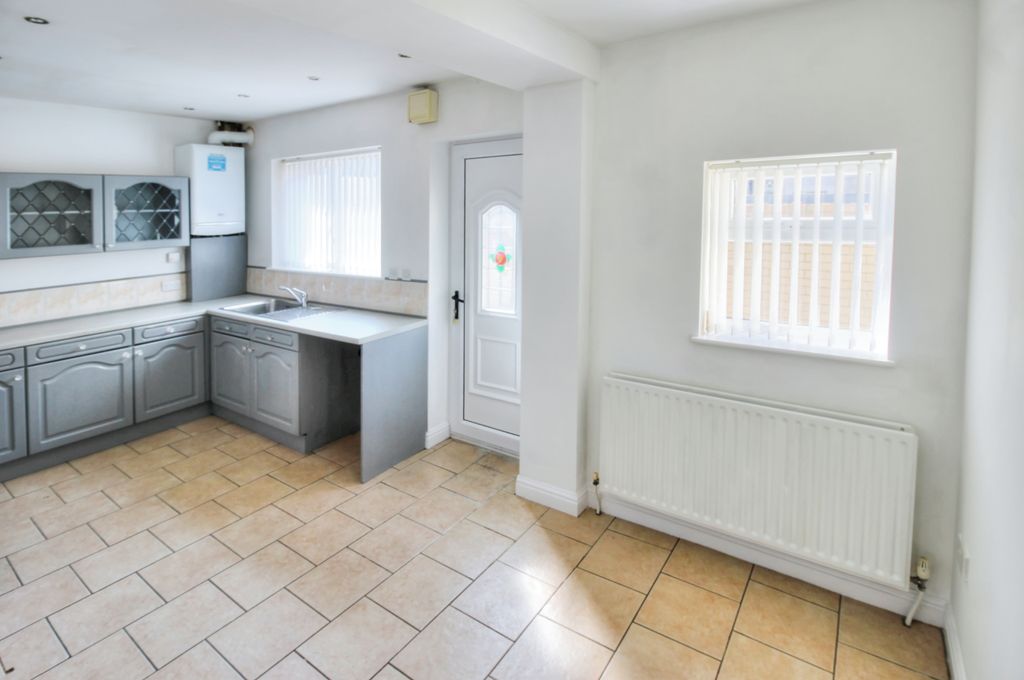
Before
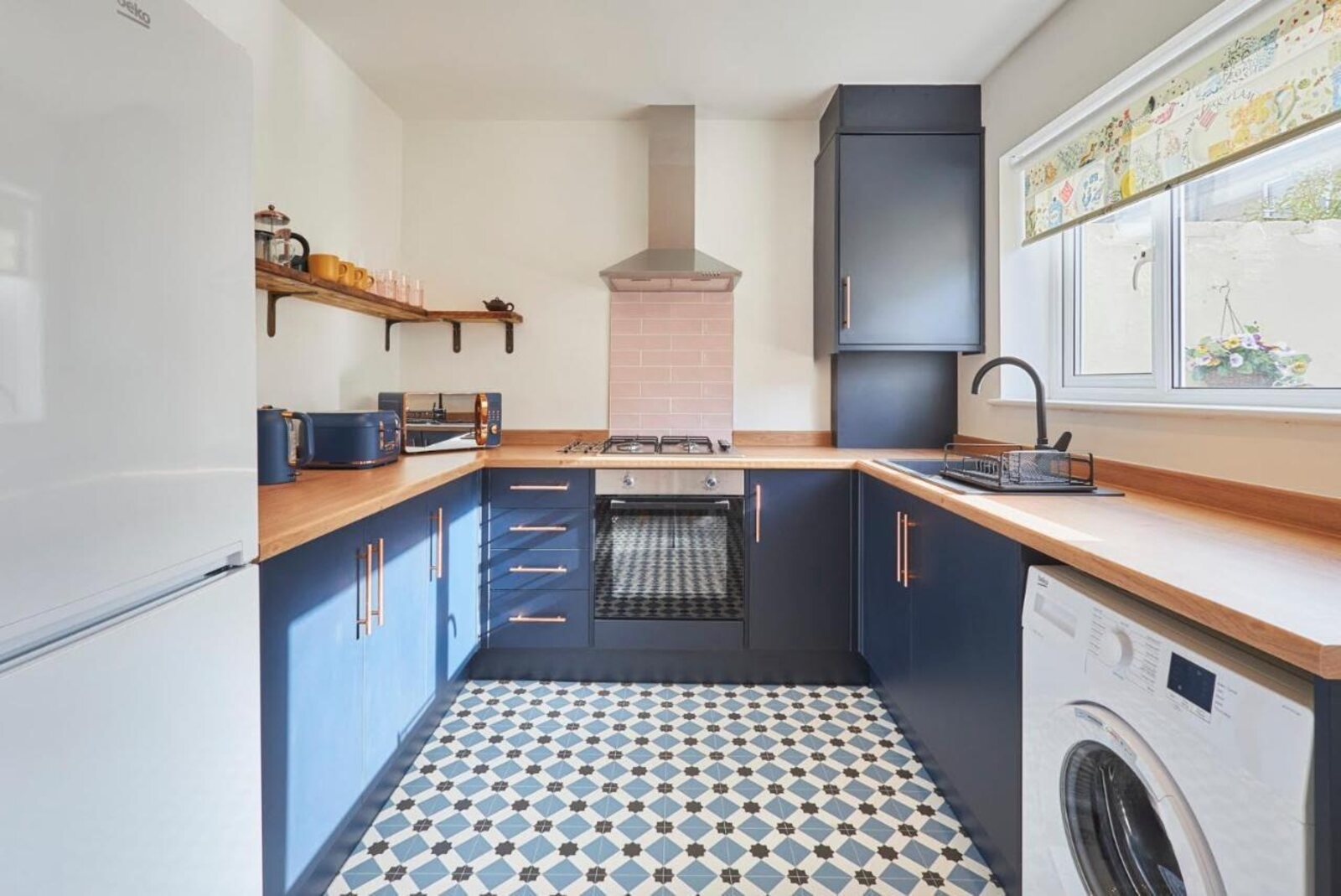
After
Bathroom
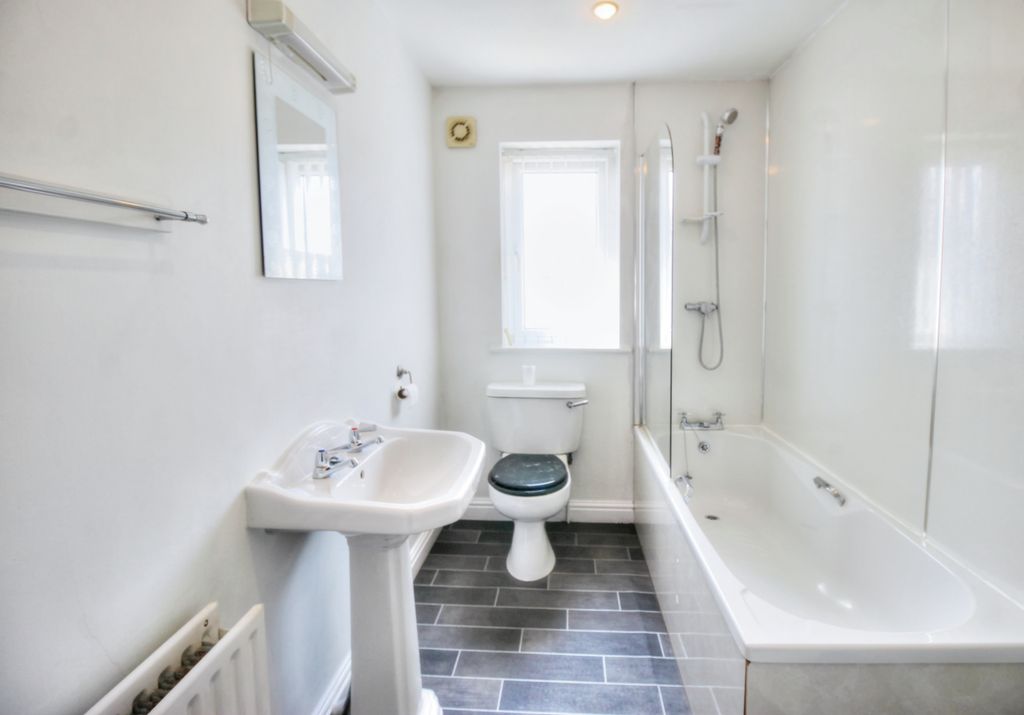
Before
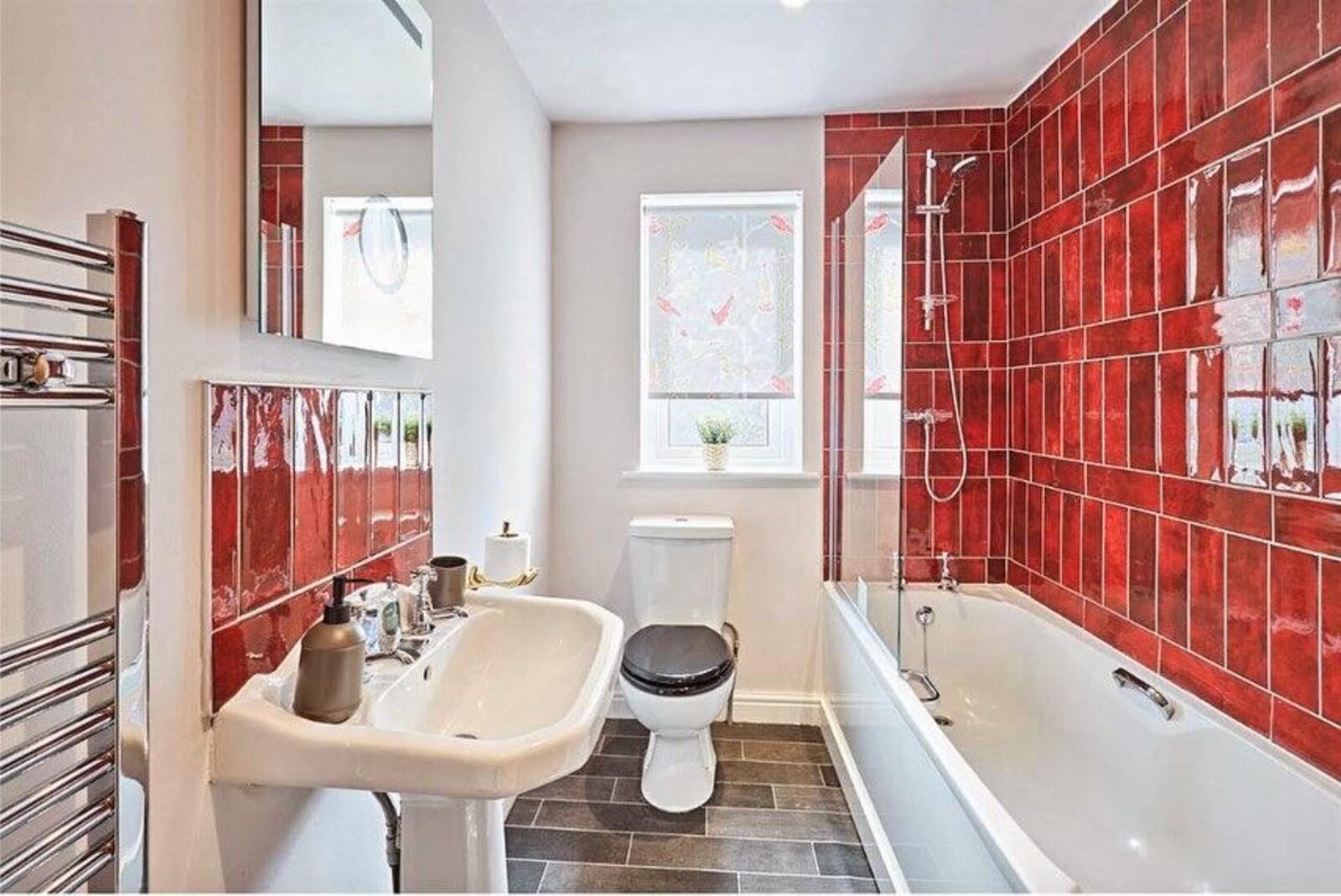
After
Stairs
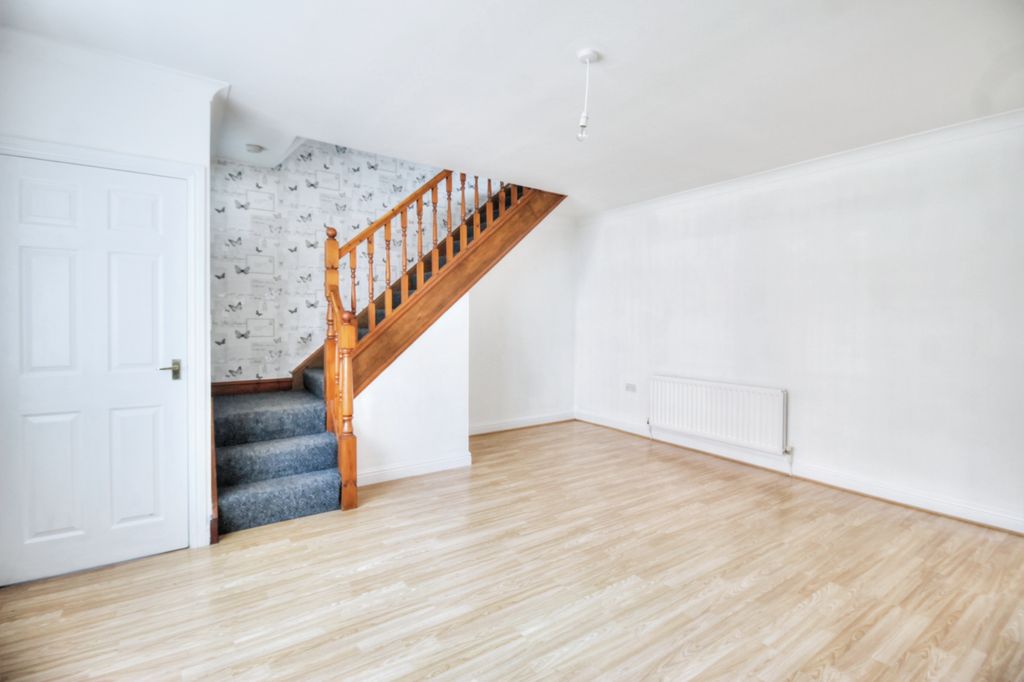
Before
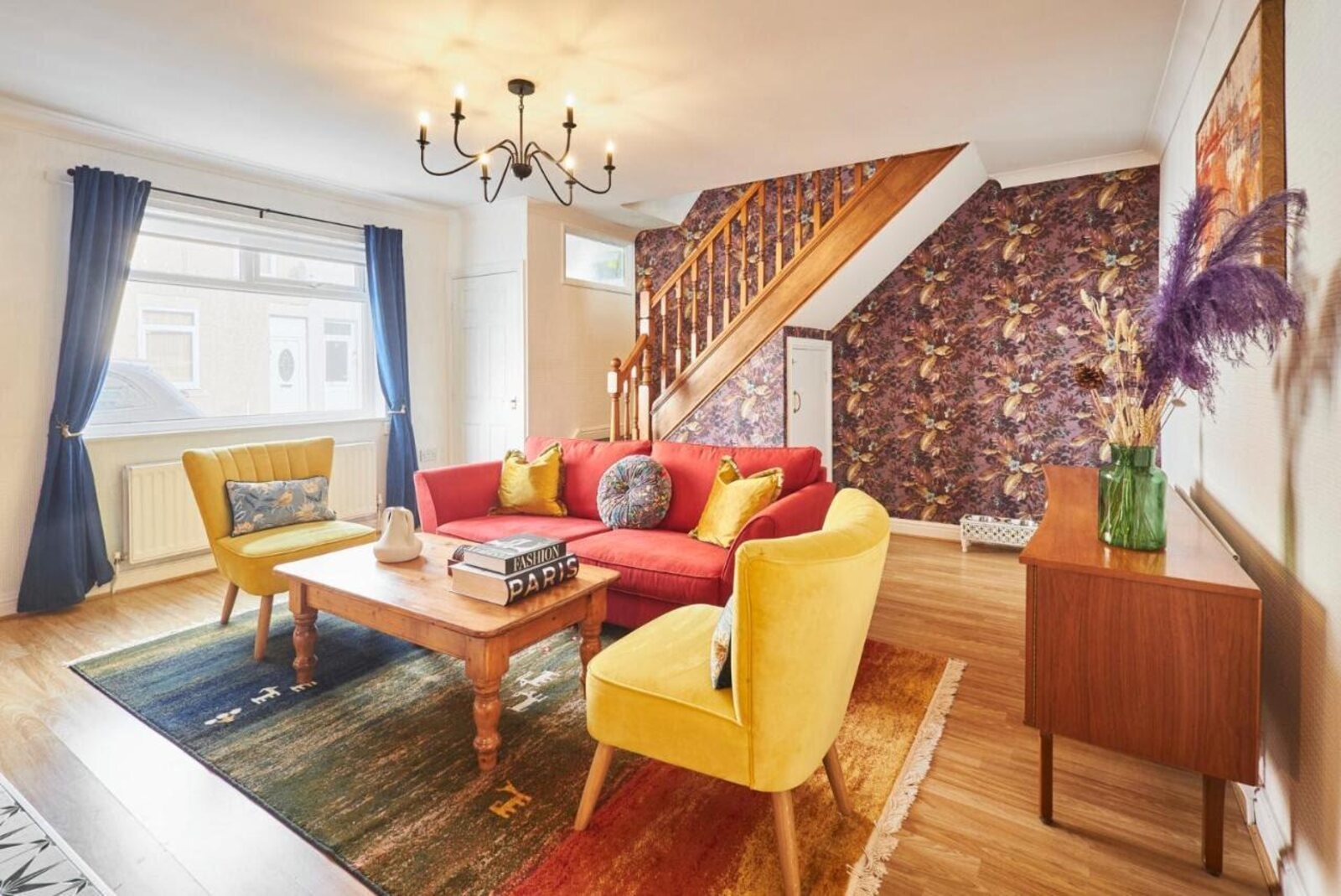
After
These are the figures for one property I owned and have since sold. They are not a forecast or an offer. Property values can fall as well as rise, and every project is different.